

Whether you realize it or not, fermentation is a process that’s used to produce some of the world’s favorite foods and beverages. What are some foods that are fermented? Popular fermented foods include things like wine, beer, yogurt, certain aged cheeses, and even chocolate and coffee.
- Fermented foods are those that are left to sit and steep until the sugars and carbs that the food naturally contains interact with bacteria, yeast and microbes. This changes the chemical structure of the food and results in the creation of healthy probiotics.
- What foods are fermented? Some of the most widely available include kombucha, yogurt, aged/raw cheeses, sauerkraut, pickles, miso, tempeh, natto and kimchi. Other healthy foods that are fermented include apple cider vinegar, wine, sourdough bread, cottage cheese and coconut kefir.
- These foods naturally provide us with probiotics, beneficial bacteria that mostly live within our gut/digestive systems.
- Health benefits of fermented foods and probiotics include improving digestion/gut health, boosting immunity, helping treat GI issues like irritable bowel disease, providing minerals that build bone density, helping fight allergies, supporting heart and metabolic health, and killing harmful yeast and microbes that cause issues like candida.
One of the most popular fermented foods globally is yogurt, which has been consumed in certain parts of the world for thousands of years, along with closely related kefir.
Throughout history, fermenting foods gave our ancestors the option of prolonging the freshness of grains, vegetables and milk that were available to them during different seasons.
It’s relatively simple to make a large batch of fermented foods to have ready to eat in your refrigerator. Plus they should last a pretty long time due to the beneficial bacteria they contain. In fact, eating fermented (or “cultured”) foods is the most convenient way to obtain a daily dose of probiotic bacteria that support gut health and more.
Studies suggest that some of the many ways these foods support overall health include by:
- improving digestion and cognitive function
- boosting immunity
- helping treat irritable bowel disease
- providing minerals that build bone density
- helping fight allergies
- killing harmful yeast and microbes
What are fermented foods?>
Fermented foods are foods and drinks transformed by beneficial bacteria, yeasts or other microorganisms. The best fermented foods for gut health are typically those that contain live and active cultures, such as yogurt, kefir, sauerkraut, kimchi, miso, tempeh, natto, fermented pickles and kombucha. These foods may support digestion, microbial diversity, immune function and nutrient absorption when eaten regularly as part of a balanced diet.
When a food is fermented, it means that it’s left to sit and steep until the sugars and carbs that the food naturally contains interact with bacteria, yeast and microbes to change the chemical structure of the food.
The definition of fermentation is “the chemical breakdown of a substance by bacteria, yeasts, or other microorganisms, typically involving effervescence and the giving off of heat.” The process of fermentation converts compounds, such as a carbohydrate, including vegetables and sugar, to carbon dioxide and alcohol to an organic acid.
According to recent studies, most fermented products have been found to contain at least 1 million microbial cells per gram, with amounts varying depending on variables such as the food’s region, age and time at which it was consumed.
The fermentation of foods such as milk and vegetables is also a great way to preserve them for a longer period of time and to make their nutrients more bioavailable (absorbable).
It’s important to note that not every food labeled “pickled,” “cultured” or “fermented” contains live probiotics by the time you eat it. Some fermented foods are heat-treated, pasteurized or made shelf-stable, which can reduce or eliminate live microbes.
Others may be fermented during production but do not provide live probiotics after baking. For the most probiotic benefit, look for refrigerated products that say “live and active cultures,” “raw,” “unpasteurized,” “naturally fermented” or “contains probiotics” on the label.
Fermented foods vs. probiotic foods vs. pickled foods
Fermented foods are made when microorganisms, such as bacteria or yeast, convert sugars and carbohydrates into acids, gases or alcohol. Probiotic foods are fermented foods that still contain live beneficial microbes when consumed.
Pickled foods, however, are not always fermented.
For example, sauerkraut, kimchi and fermented pickles are typically made with saltwater brine and naturally occurring lactic acid bacteria. Many shelf-stable pickles, on the other hand, are made with vinegar and then heat-treated, which gives them a sour flavor but usually does not provide live probiotics.
This is why refrigerated, brine-fermented vegetables are generally a better choice if your goal is to add probiotic foods to your diet.
Best fermented foods
Below is a list of some of the best fermented foods to include in your diet:
1. Kefir
Kefir is a fermented milk product (made from cow, goat or sheep’s milk) that tastes like a drinkable yogurt. Kefir benefits include providing high levels of vitamin B12, calcium, magnesium, vitamin K2, biotin, folate, enzymes and probiotics.
Kefir has been consumed for well over 3,000 years. The term kefir was started in Russia and Turkey and means “feeling good.”
2. Kombucha
is a fermented drink made of black tea and sugar (from various sources like cane sugar, fruit or honey). It contains a colony of bacteria and yeast that is responsible for initiating the fermentation process once combined with sugar.
Do fermented foods like kombucha contain alcohol? Kombucha has trace amounts of alcohol but too little to cause intoxication or even to be noticeable.
Other fermented foods, such as yogurt or fermented veggies, typically do not have any alcohol at all.
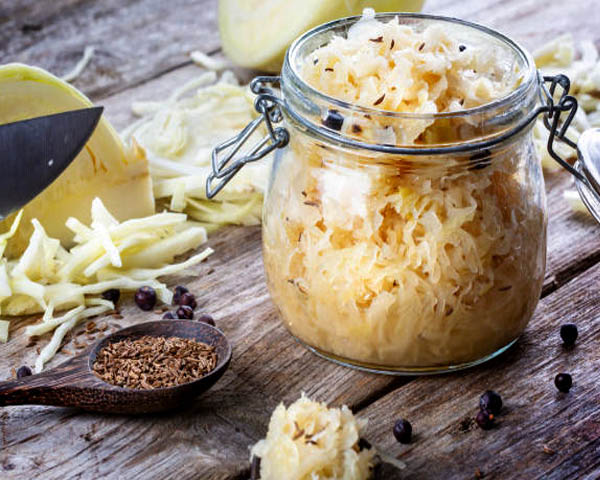
3. Sauerkraut
Sauerkraut is one of the oldest traditional foods, with very long roots in German, Russian and Chinese cuisine, dating back 2,000 years or more. Sauerkraut means “sour cabbage” in German, although the Germans weren’t actually the first to make sauerkraut. (It’s believed the Chinese were.)
Made from fermented green or red cabbage, sauerkraut is high in fiber, vitamin A, vitamin C, vitamin K and B vitamins. It’s also a great source of iron, copper, calcium, sodium, manganese and magnesium.
Is store-bought sauerkraut fermented? Not always, especially the canned/processed kind.
Real, traditional, fermented sauerkraut needs to be refrigerated, is usually stored in glass jars and says that it is fermented on the package/label.
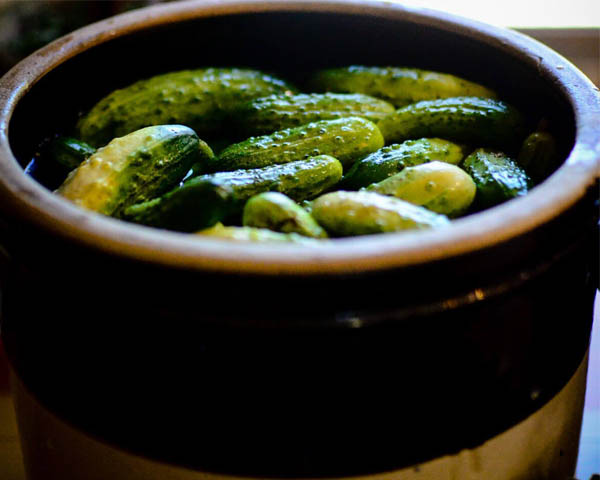
4. Pickles
Didn’t think that pickles had probiotics? Fermented pickles contain a ton vitamins and minerals, plus antioxidants and gut-friendly probiotic bacteria.
Are store-bought pickles fermented? Not usually.
Most store-bought pickles are made with vinegar and cucumbers, and although this makes the pickles taste sour, this doesn’t lead to natural fermentation. Fermented pickles should be made with cucumbers and brine (salt + water).
What is the best brand of pickles if you want probiotics? When choosing a jar of pickles, look for “lactic acid fermented pickles” made by a manufacturer that uses organic products and brine, refrigerates the pickles, and states that the pickles have been fermented.
If you can find a local maker, such as at a farmers market, you’ll get some of the best probiotics for your health.
5. Miso
Miso is created by fermenting soybeans, barley or brown rice with koji, a type of fungus. It’s a traditional Japanese ingredient in recipes including miso soup.
It’s been a staple in Chinese and Japanese diets for approximately 2,500 years.
6. Tempeh
Another beneficial fermented food made with soybeans is tempeh, a product that is created by combining soybeans with a tempeh starter (which is a mix of live mold). When it sits for a day or two, this results in it becoming a dense, cake-like product that contains both probiotics and a hefty dose of protein too.
Tempeh is similar to tofu but not as spongy and more “grainy.”
7. Natto
Natto is a popular food in Japan consisting of fermented soybeans. It is sometimes even eaten for breakfast in Japan and commonly combined with soy sauce, karashi mustard and Japanese bunching onion.
After fermentation it develops a strong smell, deep flavor and sticky, slimy texture that not everyone who is new to natto appreciates.
8. Kimchi
Kimchi is a traditional fermented Korean dish that is made from vegetables, including cabbage, plus spices like ginger, garlic, pepper and other seasoning. It’s often added to Korean recipes like rice bowls, ramen or bibimbap.
It’s considered a Korean delicacy that dates back to the seventh century.
9. Raw cheese
Goat milk, sheep milk and cows soft cheeses are particularly high in probiotics, including thermophillus, bifidus, bulgaricus and acidophilus.In order to find real fermented/aged cheeses, read the ingredient label and look for cheese that has not been pasteurized. The label should indicate that the cheese is raw and has been aged for six months or more.
10. Yogurt
Is fermented milk the same as yogurt? Essentially, yes.
Yogurt and kefir are unique dairy products because they are highly available and some of the top probiotic foods that many people eat regularly. Probiotic yogurt is now the most consumed fermented dairy product in the United States and many other industrialized nations too.
It’s recommended when buying yogurt to look for three things:
- It comes from goat or sheep milk if you have trouble digesting cow’s milk.
- It’s made from the milk of animals that have been grass-fed.
- It’s organic.
11. Apple cider vinegar
Apple cider vinegar that is raw and contains “the mother” is fermented and does contain some probiotics. It also contains certain types of acids like acetic acid, which supports the function of probiotics and prebiotics in your gut.
However, most vinegars available in the supermarket do not contain probiotics.
You can add one tablespoon of apple cider vinegar to a drink twice a day. Before breakfast and lunch or breakfast and dinner, add one tablespoon of apple cider vinegar in your meal, and then start consuming more fermented vegetables like sauerkraut and kimchi or drinking kvass to really boost probiotic levels.
12. Kvass
Kvass is a traditional fermented beverage that has a similar taste to beer. Much like kombucha, it goes through a fermentation process and contains probiotics.
It’s made from stale, sourdough rye bread and is considered a non-alcoholic beverage because it contains only around 0.5 percent to 1 percent alcohol. The longer it ferments, the more susceptible it is to becoming more alcoholic.
If you’ve never tasted kvass, it has a tangy, earthy, salty flavor and can be an acquired taste. Sometimes it is brewed with flavors from fruits (such as raisins and strawberries) and herbs (such as mint) to make it more appealing.
13. Sourdough bread
Certain traditionally made breads, such as real sourdough bread , are fermented, but they don’t contain probiotics. Fermentation helps make nutrients found in the grains more available for absorption and reduces antinutrient content that may make digestion difficult.
14. Cottage cheese
Because more research is confirming that probiotics are highly beneficial, food manufacturers are beginning to make probiotic dairy products such as cottage cheese more readily available. Similar to yogurt, cottage cheese can be fermented when bacteria help break down the lactose (a type of sugar) in the dairy.
When purchasing cottage cheese, look for brands that are low in sugar and that contain active cultures. Some types are also called dry curd cottage cheese or farmer’s cheese.
15. Coconut kefir
For those who can’t tolerate dairy, coconut kefir is a great alternative. This probiotic-rich drink is made with creamy coconut milk and kefir grains, but unlike regular kefir or yogurt it’s dairy-free and vegan-friendly.
Try it in smoothies, in baked goods, with fruit, on its own, etc. Just opt for brands that are low in sugar or unflavored, and consider adding your own stevia, fruit or honey for extra flavor.
Other fermented foods and drinks that may fit into a healthy diet include skyr, cultured buttermilk, fermented olives, fermented hot sauce, traditional soy sauce, tamari , fermented bean pastes and some aged cheeses. Just remember that the health value depends on the ingredients, sodium or sugar content, and whether the product still contains live cultures.
Benefits
Why are fermented foods good for you? The consumption of fermented, probiotic foods has many positive effects on not only the digestive system, but basically the whole body.
One of the strongest human studies on fermented foods found that a 10-week diet rich in fermented foods increased gut microbiome diversity and decreased several markers of inflammation in healthy adults. The fermented foods used in the study included yogurt, kefir, fermented cottage cheese, kimchi, other fermented vegetables, vegetable brine drinks and kombucha.
The researchers also found that greater fermented food intake was linked to stronger effects.
Another 2017 review explained that compounds within these foods have “anti-microbial effects, anti-carcinogenic and anti-microbial properties, and bioactive peptides that exhibit anti-oxidant, anti-microbial, opioid antagonist, anti-allergenic, and blood pressure lowering effects.”
The microbes that we obtain from eating probiotic foods help create a protective lining in the intestines and shield against pathogenic factors, such as salmonella and E.coli. They may also represent a potential avenue to counter the pro-inflammatory effects of gut dysbiosis.
Fermented foods nutrition is also important for increasing antibodies and building a stronger immune system. Plus, these foods regulate the appetite and reduce sugar and refined carb cravings.
In fact, eating cultured/probiotic foods can help treat candida gut as part of a candida diet .
Another benefit is that lacto-fermentation enhances the nutrient content of foods and makes the minerals in cultured foods more readily available. Bacteria in fermented foods also produce vitamins and enzymes that are beneficial for digestion/gut health.
A study published in the Journal of Applied Microbiology stated, “Recent scientific investigation has supported the important role of probiotics as a part of a healthy diet for human as well as for animals and may be an avenue to provide a safe, cost effective, and ‘natural’ approach that adds a barrier against microbial infection.”
Believe it or not, there’s now even evidence that fermented foods reduce social anxiety. Recent research spearheaded by the University of Maryland School of Social Work found a link between social anxiety disorder and gut health.
A big part of our emotions seem to be influenced by the nerves in our guts (the enteric nervous system). It appears that microbiota influence the gut-brain communication, mood control and behaviors, hence the term gut-brain connection .”
In animal studies, depression has been found to be linked to the interplay of the brain and gut health, and people with chronic fatigue syndrome have also been found to benefit from probiotic consumption.
Below are benefits of eating some of the most common fermented foods:
- Yogurt. Yogurt intake has been found to be associated with better overall diet quality, healthier metabolic profiles and healthier blood pressure.
- Kombucha. After being fermented, kombucha becomes carbonated and contains vinegar, B vitamins, enzymes, probiotics and a high concentration of acid (acetic, gluconic and lactic).
- Sauerkraut. Studies suggest that sauerkraut has a variety of beneficial effects on human health. It can help boost digestive health, aid in circulation, fight inflammation, strengthen bones and reduce cholesterol levels.
- Pickles. Pickles alone can help address the all-too-common vitamin K deficiency, as one small pickle contains a healthy dose of this fat-soluble vitamin, which plays an important role in bone and heart health.
- Kimchi. Kimchi is known to improve cardiovascular and digestive health and has high levels of antioxidants that may help reduce the risk of serious health conditions, such as cancer, diabetes, obesity and gastric ulcers. A report published in Bioactive Foods in Health Promotion states, “Health functionality of kimchi, based upon our research and that of others, includes anticancer, antioxidative, antiobesity, anti-constipation, serum cholesterol and lipid-controlling, antidiabetic, and immune-boosting effects.”
- Natto. It contains the extremely powerful probiotic bacillus subtilis, which has been proven to support the immune system and cardiovascular health. It also enhances the digestion of vitamin K2 . In addition to these natto benefits, it contains a powerful anti-inflammatory enzyme called nattokinase that has been shown to potentially have cancer-fighting effects.
- Miso. Miso has anti-aging properties and can help maintain healthy skin. It also boosts the immune system, may help lower the risk of certain types of cancer, improves bone health and promotes a healthy nervous system.
- Tempeh. Tempeh contains high levels of vitamins B5, B6, B3 and B2. Eating it regularly may help reduce cholesterol, increase bone density, reduce menopausal symptoms, promote muscle recovery, and it has roughly the same protein content as meat.
How to ferment foods
Yogurt is made with a starter culture that ferments lactose (milk sugar) and turns it into lactic acid, which is partially responsible for yogurt’s tangy flavor.Lactic acid decreases pH of milk, causes it to clot and thicken, and gives it a smooth texture.
After fermentation, yogurt contains the characteristic bacterial cultures called Lactobacillus bulgaricus and Streptococcus thermophilus. Lactobacillus bulgaricus and Streptococcus thermophilus are the only two cultures required by law to be present in yogurt.
Kefir and yogurt are made in a similar way, but the two are a bit different because kefir is made at room temperature with continuous use of kefir grains, which contain a variety of bacteria and yeast. Kefir contains a larger range of bacteria, in addition to containing yeasts, and is more tart/sour than yogurt.
Most fermented vegetables are cultured via the process of lactic acid fermentation (or lacto-fermentation), which occurs when veggies are chopped and salted. Fermented veggies contain high acidity and low pH that usually make them shelf-safe and safe to consume for longer than fresh vegetables.
Many fermented vegetables are also made with additional ingredients like coriander, garlic, ginger and red pepper, which also offer various health benefits. The exact microbial counts found in fermented veggies depend on the nutrient status of the fresh produce used and varies with seasons, maturity stage, environmental humidity, temperature and the use of pesticides, among other factors.
What foods can you ferment at home? The list is long and includes many vegetables, grains, soybeans, milk, etc.
For example, fermented vegetables you can prepare at home include cabbage, carrots, green beans, turnips, radishes and beetroots.
- Fermenting vegetables is relatively easy, and you only need a jar with some salt and water. Salt and water combined make brine, which aids in the fermentation process.
- Use a regular wide-mouth mason jar. Prepare the vegetables for fermenting by grating, shredding, chopping, slicing or leaving them whole.
- Once the vegetables have been prepared and placed in the chosen jar, cover them with brine, and weigh them down so they don’t float up. Thoroughly sprinkle the salt onto the veggies, and massage them a bit. Add any other ingredients, such as spices. If there’s not enough liquid released, add more salted water (brine). There should be a little room at the top of the jar since bubbles will form during fermentation. Make sure the lid is on tightly while the veggies ferment.
- Most veggies need two to seven days to ferment. The longer you leave them to ferment, the stronger the taste will get. Once the vegetables are finished culturing, move them to cold storage.
When making certain fermented food you may require the use of kefir grains, whey, yeast or a starter culture, depending on the exact recipe and your personal taste.
How often should you eat fermented foods?
If you’re new to fermented foods, start by having about a half a cup per day, and build up gradually from there. This gives your gut time to adjust to the presence of new bacteria.
It’s best to eat a variety of different fermented foods, since each one offers different beneficial bacteria.
Where can you buy fermented foods? These days, you can find them at just about any supermarket.
Yogurt is widely available, and other fermented foods like kefir, sauerkraut and kimchi are becoming easier to find. Look for fermented foods in health food stores, large supermarkets and at your local farmers market.
It’s also wise to eat plenty of prebiotic foods and high-fiber foods daily (such as artichokes, bananas, onions and other plants), which help “feed” probiotics in the gut.
For best results, think of fermented foods and prebiotic foods as a team. Fermented foods can help introduce beneficial microbes and fermentation-derived compounds, while prebiotic and fiber-rich foods help feed beneficial bacteria already living in the gut.
Examples of easy pairings include yogurt with berries, kefir with chia seeds, sauerkraut with a vegetable-rich meal, miso with mushrooms, or kimchi with brown rice and vegetables.
Here are more ideas for adding fermented foods to your diet:
- Add sauerkraut and pickles to your favorite burger slider recipe .
- Try adding yogurt or kefir to these healthy smoothie recipes .
- Make a salad dressing with apple cider vinegar, raw honey , olive oil and dijon mustard, and toss on one of your favorite salads. You can add cultured veggies like radish, sauerkraut, etc., to salads as well.
- Add kimchi to a veggie stir-fry or homemade ramen bowl.
- Sip on kombucha, combined with some seltzer if you’d like, instead of soda or other sweetened drinks.
No matter what type of diet you follow, it’s a good idea to consume probiotic foods regularly. If you’re following the ketogenic diet, it’s highly recommended that you regularly include cultured vegetables, such as sauerkraut and kimchi, in your meals.
These provide probiotics along with essential vitamins and minerals, and they can supply salt, which is needed on the keto diet to balance water loss.
A small amount of full-fat (ideally raw) dairy products, such as unsweetened yogurt or kefir, may also be consumed on the keto diet. Just be sure to avoid any product that is sweetened with fruit, sugar, etc.
Fermented foods in traditional medicine
A healthy Ayurvedic diet includes fermented foods, such as yogurt, amasai and miso. Many different seasonal vegetables may be fermented to prolong how long they are edible, such as asparagus, beets, cabbage, carrots, cilantro, fennel root (anise), garlic, green beans, etc.
Ayurvedic and Indian fermented foods are often combined with anti-inflammatory herbs and spices. These include turmeric, cumin, fennel, ginger, cardamom, coriander, cinnamon, clove, rock salt, mint, black pepper and oregano.
Fermented foods are especially encouraged for vata types, who can benefit from foods that have a natural sour and salty taste, rather than those that are bitter, pungent and astringent.
In Traditional Chinese Medicine , fermented foods are included in the diet to help prevent deficiencies, support the gut and vital organs , and improve detoxification. The stomach and spleen are the two main pathways that TCM practitioners believe are related to qi (“vital energy”) deficiency, and both of these organs can suffer due to low nutrient intake, use of medications, stress and other factors.
Sauerkraut, kimchi, and other fermented/pickled vegetables and fruits are utilized to help restore the healthy bacterial colonies found within the gastrointestinal tract. Soy sauce, black beans, radishes and other foods are also commonly fermented in China and used in TCM.
These foods make it easier for the gut to allow nutrients to be absorbed during digestion and can build immune deficiencies.
Risks and side effects
Why might fermented foods be bad for you? While they certainly have lots of benefits to offer, one disadvantage of fermented foods is that when you consume too much, especially too quickly, you may deal with some digestive issues. These can include bloating or diarrhea.
Start slowly, and experiment with different kinds to find your favorites.
Some fermented foods are also high in sodium, added sugar or histamine. People watching their blood pressure may want to moderate salty options like sauerkraut, kimchi, miso and pickles, while those limiting added sugar should check labels on flavored yogurt, kefir and kombucha.
For the greatest fermented foods benefits, try to purchase foods that are organic and contain “live and active cultures.” This is better than the label “made with active cultures.”
After fermentation, some poor quality products may be heat-treated, which kills off both good and bad bacteria (extending shelf life). Ideally you want to find raw, organic and local products that do not contain lots of sugar or additives.
requently asked questions
What are the best fermented foods for gut health?
Some of the best fermented foods for gut health include yogurt, kefir, sauerkraut, kimchi, miso, tempeh, natto, fermented pickles and kombucha. For probiotic benefits, choose options that contain live and active cultures.
Are all fermented foods probiotics?
No. A food can be fermented without containing live probiotics at the time you eat it. Sourdough bread, pasteurized sauerkraut and many shelf-stable pickles are examples of foods that may be fermented or pickled but do not necessarily provide live probiotic bacteria.
How much fermented food should you eat per day?
A good starting point is a few tablespoons to a half cup per day, depending on the food and your tolerance. People new to fermented foods should start small and increase gradually to reduce the chance of gas, bloating or digestive discomfort.
Are pickles fermented foods?
Some pickles are fermented, but many store-bought pickles are not. Fermented pickles are usually made with cucumbers, salt and water, while many conventional pickles are made with vinegar. Look for refrigerated pickles labeled “fermented,” “raw,” “unpasteurized” or “live cultures.”
What is the difference between fermented foods and prebiotics?
Fermented foods are foods transformed by bacteria or yeast, and some contain probiotics. Prebiotics are fibers and compounds in foods such as onions, garlic, bananas, asparagus, legumes and artichokes that help feed beneficial bacteria in the gut.